Jackdaw Starts North Sea Gas Production, With Output Set to Heat 1.4 Million UK Homes
Jackdaw has begun producing gas for transport through existing North Sea infrastructure. At peak, output is expected to meet the heating needs of about 1.4 million homes.
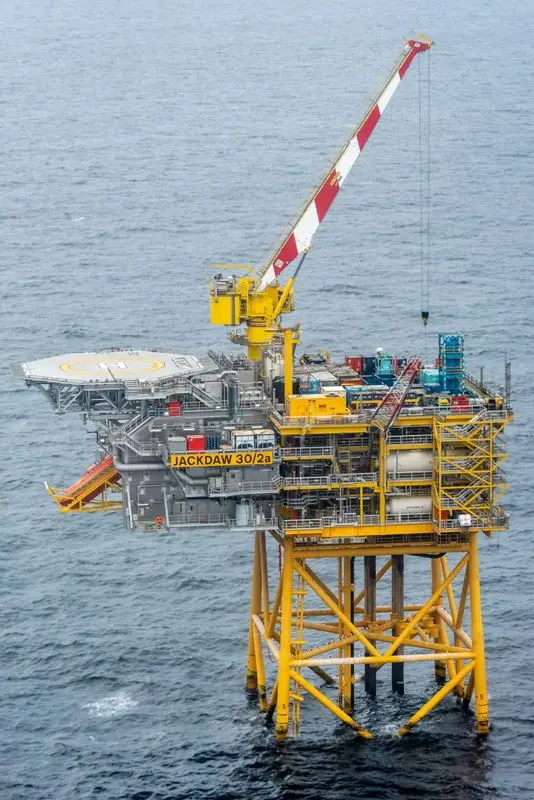
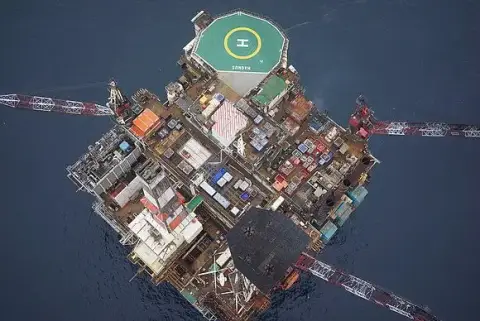
Jackdaw has started producing gas in the North Sea, adding a new domestic source to Britain’s energy supply. At peak production, the field is expected to provide enough gas to heat the equivalent of around 1.4 million UK homes. Its output will use existing offshore and onshore infrastructure, linking the field to the Shearwater hub and then to the St Fergus gas terminal in Aberdeenshire.

The project is operated by Adura, a joint venture between UK-headquartered Shell and Norway’s Equinor. Located about 250 kilometres east of Aberdeen, Jackdaw represents £2.1 billion ($2.77 billion) of investment. Production has begun after years of work by companies and skilled workers across the UK supply chain.
Existing infrastructure connects offshore supply to customers
Gas from Jackdaw is expected to flow through Shearwater before reaching St Fergus, where it can enter the wider supply system. Using established facilities gives the project a route from offshore wells to homes and businesses without requiring a wholly separate transport chain. The field’s contribution to consumers will depend on how much it produces as operations ramp up and how that gas moves through the connected network.
The expected heating equivalent offers a useful sense of scale, but it does not mean Jackdaw will directly supply a fixed group of 1.4 million households. Gas entering a shared system is distributed across demand from households and businesses. The estimate describes the potential energy output at peak production in terms of household heating needs.
Adura says production is expected to reach its peak in the coming months. Until then, the field’s actual contribution will depend on the pace of the ramp-up and operating performance. The stated peak figure is an expectation, rather than a report of current output.
Domestic production and imported gas
Adura presents Jackdaw as a way to reduce Britain’s reliance on imported energy, including liquefied natural gas (LNG). LNG is natural gas that has been cooled into liquid form for transport by ship and then returned to gas at its destination. That supply chain uses energy, which can add to emissions compared with gas produced closer to where it is consumed.
Domestic production can reduce the amount of imported gas needed at the margin, but the field’s contribution will depend on its output and the country’s wider supply and demand. Jackdaw does not, by itself, remove the need for imports or settle questions about the role of gas as energy systems change. Its expected production is significant for near-term supply; how long that supply is needed will also depend on future demand and the growth of alternatives.
Adura describes Jackdaw as one of the lower-emission developments on the UK Continental Shelf. That claim concerns the project’s emissions relative to other developments in the area. It does not mean gas has no climate impact: burning natural gas releases carbon dioxide, and emissions can also arise during production and transport. The available project details provide no emissions figure for Jackdaw, so the comparison cannot be quantified here.
Jobs, supply businesses and the wider North Sea
The operator says the field will support skilled jobs, supply chain companies and economic activity during its producing life. Its development drew on workers and businesses with experience in the North Sea, an industry where offshore production relies on a broad network of engineering, fabrication, maintenance and transport services. The scale and duration of those benefits will depend on the project’s operating life and the work it sustains over time.
Jackdaw is the first new project to begin production since Shell and Equinor established Adura in December 2025. The joint venture’s next major development is Rosebank, valued at £8.7 billion ($11.49 billion) and located west of Shetland. Adura has also linked Jackdaw and Rosebank to projected tax revenues, but those estimates cover both projects together rather than Jackdaw alone.
The immediate test is what Jackdaw delivers as production rises: whether it approaches the expected peak, how much gas reaches the wider market, and how its operating emissions compare with other sources. For households and businesses, the field adds supply through infrastructure already connected to the UK network. Its place in the longer-term energy mix will depend on balancing that near-term contribution with the emissions from producing and using gas.