Shell Starts Gas Production at Rosmari-Marjoram Fields Off Malaysia
Rosmari-Marjoram is sending gas to Sarawak’s Bintulu processing plant, with solar power offshore and renewable electricity accounting onshore.
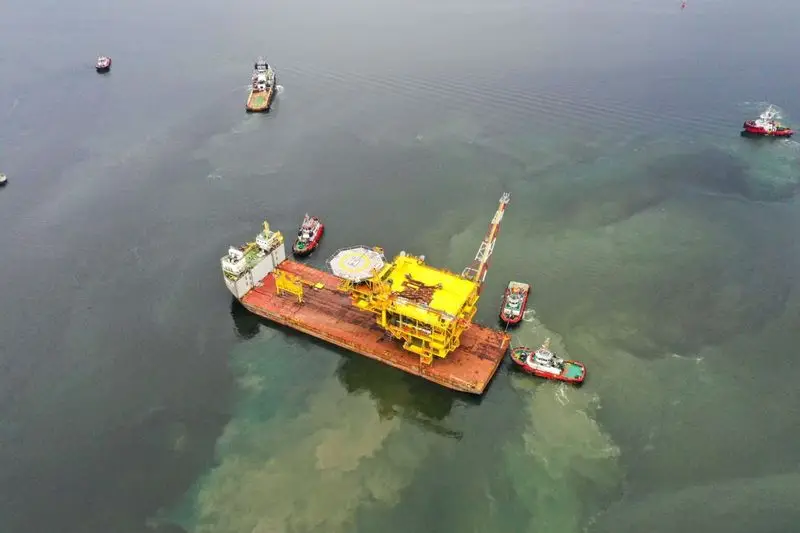

Rosmari-Marjoram has begun producing gas 220 kilometers off Sarawak, adding a new source of supply to Malaysia’s gas and liquefied natural gas system. For Shell, the project is also part of a wider push to bring upstream and integrated gas developments online between 2025 and 2030, with combined peak production above 1.4 million barrels of oil equivalent per day.
The fields were discovered in 2014, and development began after Shell made its final investment decision in 2022. The four-year interval between that decision and first gas reflects the scale of the facilities needed to produce and handle sour gas in a remote offshore location. Shell says the fields are expected to support its production growth into the 2030s.
From offshore wells to Bintulu
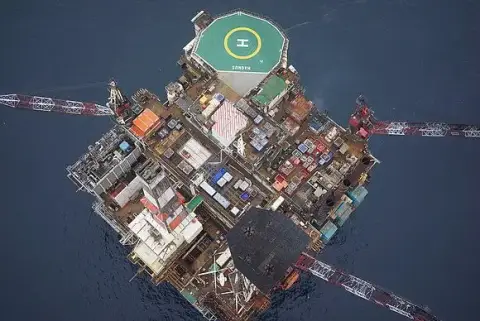
Production depends on a chain of offshore and onshore infrastructure. Subsea equipment connects the fields to an unmanned wellhead platform, and a 207-kilometer pipeline carries the gas to a new processing plant in Bintulu, Sarawak. After treatment, the gas will be supplied to the Petronas LNG Complex.
That route links offshore extraction to an established gas-processing and export hub. The new plant is a key part of the development: gas from sour fields needs processing before it can enter the wider supply system. The project’s subsea connections, platform, long pipeline and onshore facility therefore work as one integrated system. A disruption at any point could affect the flow from the fields to the LNG complex.
Rosmari-Marjoram adds to Shell’s existing activity in the region. The company has produced gas offshore in Malaysia since 1982 and has interests in other producing fields off Sarawak, including Timi and Gorek. It is also exploring further opportunities in the basin. Sarawak Shell operates the new project and holds a 71% equity share. Petronas Carigali, Inpex Malaysia E&P and Searah are the other partners.
Powering the facilities
The offshore platform is designed to run on solar power while unmanned. Batteries can store up to three days of electricity, and diesel generators provide backup. They can also meet higher power needs when workers visit for maintenance, when additional services and equipment require more energy.
This arrangement makes the platform’s day-to-day electricity supply less dependent on fuel deliveries, while retaining generators for periods when solar and stored energy are not enough. Its actual use of diesel will depend on operating conditions and maintenance activity; no emissions figures or fuel-use data are given for the project.
At the Bintulu plant, Shell says electricity comes from a local grid based predominantly on hydropower, with renewable energy certificates complementing the hydropower used directly. The company describes the plant’s electricity as equivalent to 100% hydropower. Certificates account for renewable generation through an attribute system; the description does not mean every unit of electricity delivered through the grid can be traced physically to a hydropower facility.
Using solar panels offshore and hydropower-based electricity onshore addresses the power needs of the project’s facilities. It does not, by itself, establish the full emissions intensity of the gas produced or processed. That would also depend on factors such as operating fuel use, methane management and the energy required across the supply chain, none of which are quantified in the available project details.
What the start-up adds
Shell says Rosmari-Marjoram supports production growth into the 2030s and contributes to its goal of bringing upstream and integrated gas projects online during 2025–2030, reaching combined peak output above 1.4 million barrels of oil equivalent per day. That figure covers the company’s wider project portfolio; it is not a production forecast for Rosmari-Marjoram alone.
The start-up’s practical contribution will depend on how quickly production builds and how reliably gas moves through the pipeline and processing plant. The project provides an additional feed source for Bintulu’s LNG system, while also tying future output to the performance of offshore equipment and onshore processing capacity. As operations mature, production volumes and facility energy use will show more clearly how the development contributes to regional gas supply and Shell’s growth plans.
Shell has described its Malaysian history and basin experience as factors behind the project’s development. The immediate milestone is more concrete: gas is now flowing from fields discovered in 2014 through a new offshore-to-onshore system. The next measure to watch is sustained production, alongside operating data that can clarify the project’s scale and energy footprint.