Orlen Builds Central European Gas Links Through LNG Deals With Ukraine, Slovakia and Hungary
Orlen’s agreements could route LNG through Polish terminals to three neighboring markets, adding supply options while deepening regional gas trade.
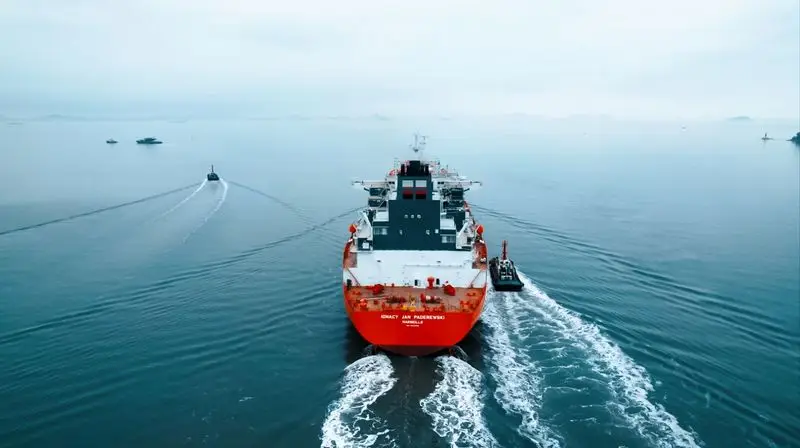
Poland’s LNG terminals and trading network are becoming a route for gas sales into neighboring markets, as Orlen develops supply arrangements with Ukraine, Slovakia and Hungary. The agreements range from a contracted delivery to Ukraine to discussions and potential cooperation with Slovak and Hungarian companies. Together, they show how terminal access, pipeline connections and cross-border trading can widen the choice of gas sources available in Central and Eastern Europe.

The clearest near-term commitment is a contract with Ukraine’s Naftogaz for gas from three LNG cargoes in the first quarter of 2027. The gas will come from the United States, be regasified at the Świnoujście terminal on Poland’s Baltic coast, and then travel by pipeline to Ukraine. The arrangement is intended to maintain supply to the Ukrainian market during that period.
A developing supply relationship with Ukraine
The contract builds on a commercial relationship that Orlen and Naftogaz have been developing since 2025. They have signed five supply contracts during that time, covering more than 600 million cubic metres of gas produced from U.S. LNG imports through terminals in Świnoujście and Klaipėda, Lithuania.
For Naftogaz, access to LNG through Polish and Lithuanian infrastructure adds sources and routes to its supply portfolio. The company says the planned 2027 volumes would provide additional resilience during winter demand peaks, while it works to protect and restore facilities amid continued Russian attacks on Ukraine’s energy infrastructure.
Orlen points to its LNG sourcing, regasification access and transport vessels as the capabilities that make these deliveries possible. The practical value of the arrangement depends on more than buying cargoes: gas must be unloaded, converted back to its gaseous form, scheduled through interconnected networks and delivered across borders. Each step links maritime supply to the pipeline system serving the customer.
Slovakia talks focus on routes and commercial terms
Orlen has also signed an agreement with Slovenský plynárenský priemysel, Slovakia’s largest energy supplier, to explore gas sales and a broader set of supply options. The prospective route would bring LNG to a Polish terminal, regasify it there and move the gas through European networks to SPP.
The companies still need to discuss which gas sources to use, the commercial terms and how deliveries would be arranged. That leaves the volume, timing and final structure open. Their agreement creates a framework for talks, while any supply offer will need to fit network capacity and the Slovak buyer’s requirements.
SPP says it is preparing for the period beyond 2027, when imports of Russian natural gas into the European Union are due to be phased out under REPowerEU. It describes dependable supply at competitive prices as its priority and sees Polish LNG infrastructure as one possible way to widen Slovakia’s access to global gas markets. For customers, a wider set of routes can offer more flexibility, though the price and availability of LNG will continue to shape what suppliers can offer.
Hungary cooperation remains at the assessment stage
Orlen and Hungary’s MVM ONEnergy have signed a memorandum to examine possible LNG deliveries to Polish terminals, regasification and onward transport to Hungary. The companies say they will assess options that could support supply security and diversification. The memorandum signals interest in cooperation; it does not specify contracted volumes or a delivery schedule.
MVM ONEnergy says gas arriving through Poland could complement supplies entering Hungary by the southern route. It also sees potential for expanding LNG related trading activity with Orlen. Whether that potential becomes regular trade will depend on the commercial case and the availability of suitable transport capacity.
Poland’s proposed regional hub
The three relationships fit Orlen’s Baltic Eagle Gas Hub concept: a regional supply and trading center built around global LNG access, Baltic import infrastructure and cross-border connections. Orlen’s capacity at the Świnoujście and Klaipėda terminals, its LNG carrier fleet and planned floating storage and regasification units in the Gulf of Gdańsk form part of that concept. The planned terminals could add import capacity if they are developed as described.
The commercial logic is to connect imported LNG with customers elsewhere in Central and Eastern Europe. That could give buyers more options across supply routes and give Orlen additional sales markets. The scale of the effect will depend on terminal capacity, pipeline availability, contract terms and the relative cost of LNG compared with other sources.
These arrangements also reflect the wider European effort to diversify gas supply while developing renewable energy and reducing fossil fuel demand. Gas can help meet near-term needs, including winter peaks, but LNG imports do not remove exposure to fuel prices or the emissions associated with natural gas. The concrete development to watch is whether the Slovak and Hungarian discussions produce delivery contracts, and how much additional capacity Poland’s terminals and connections can make available for regional trade.