Greece’s Dodecanese Grid Link Secures €228.9 Million EU Grant
A €2.54 billion project will connect the Dodecanese to Greece’s mainland grid, supporting cleaner power and a more reliable electricity supply.
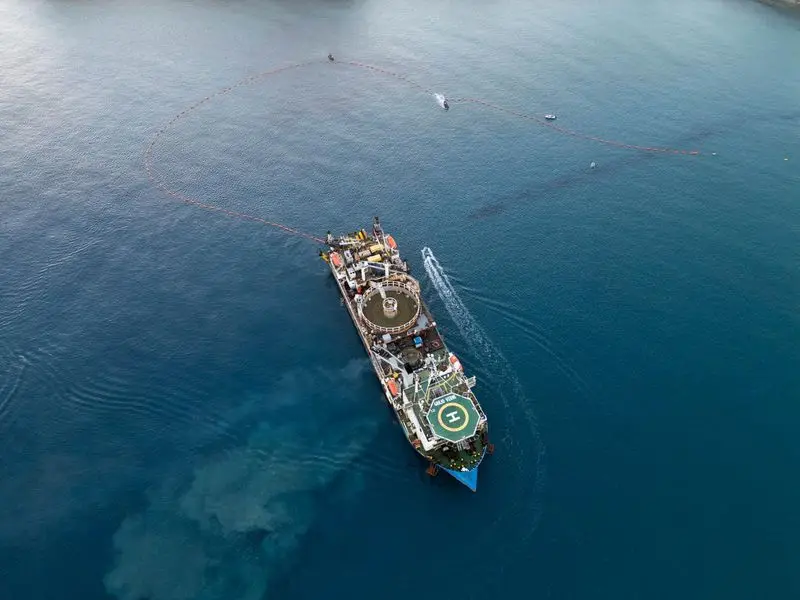
Connecting the Dodecanese islands to Greece’s mainland electricity grid is expected to cut emissions while easing the region’s reliance on isolated power systems. The first phase of the project has secured a €228.9 million European Union grant, the largest single contribution awarded so far through the European Public Sector Loan Facility program.
The planned connection would link the mainland at Corinth with Kos through a high-voltage direct current (HVDC) submarine cable. Converter stations at either end will connect the HVDC line with the alternating current (AC) transmission infrastructure. Together, the cable, converters and associated equipment form the first stage of a wider network intended to end the islands’ electrical isolation.
Financing a major grid connection
Phase one has an estimated budget of €2.54 billion. Its funding includes the €228.9 million EU grant, a €1.53 billion loan from the European Investment Bank and a separate €534 million grant from Greece’s Decarbonisation Fund. The EU grant and EIB loan are provided through the Public Sector Loan Facility, under which this project has received the program’s largest contribution to date.
The scale of the financing reflects the demands of building long-distance submarine links and the infrastructure needed to connect them to the wider grid. The grant covers only part of the phase-one budget; the EIB loan and the Greek fund grant make up substantial additional portions. The stated figures do not account for the cost of the project’s second phase, which is outside the EU-supported project.
For an island network, a mainland connection changes how electricity can be supplied. Separate island systems have to balance local demand against the generation available on the islands themselves. A link to a larger grid can give operators access to electricity from a broader area and make it easier to manage supply as conditions change. The practical outcome will depend on the capacity and operation of the connection, as well as the generation available across the linked system.
Emissions and renewable energy
The project’s first phase is expected to reduce carbon dioxide emissions by about 7.7 million tonnes over 25 years, or roughly 309,000 tonnes annually, according to CINEA. Those reductions are tied to connecting the islands with the mainland grid and making greater use of renewable electricity in the region.
The connection is also expected to create more room for renewable energy on the Aegean grid. A wider, more flexible network can help accommodate generation from different locations, while additional transmission capacity can relieve constraints that limit how much electricity can be moved. The connection alone does not guarantee that every new renewable project can operate without constraint; outcomes will also depend on generation, grid capacity and how the system is managed.
When the second phase is complete, AC connections will bring Rhodes and Karpathos into the system. The two phases together are intended to end the Dodecanese’s electrical isolation, relieve grid saturation and allow oil-fired power plants to be decommissioned. The oil plants have supplied electricity to the islands, but connecting them to the mainland system is expected to reduce the need for that local generation.
What island communities may see
Project representatives point to potential benefits for electricity reliability and consumer costs, alongside lower emissions. European Commission Directorate-General for Regional and Urban Policy Director Emma Toledano said the connection would bring island communities a cheaper and more reliable supply and make it easier to use more renewable energy. Those are expected benefits rather than measured outcomes: the project’s eventual effects on bills and service reliability are not quantified in the available figures.
Manos Manousakis, chairman and chief executive of Greece’s Independent Power Transmission Operator (IPTO), said the connection would support security of supply, lower consumer costs and expand the use of renewable energy in the Aegean. IPTO is implementing the project. The stated emissions estimate applies to phase one over 25 years; no separate estimate is given for phase two or for the full system once both phases are complete.
For island households and businesses, a more interconnected supply could reduce dependence on local oil-fired generation and give the electricity system more options when balancing demand. The timing and scale of those benefits will hinge on completing both stages and integrating the new links into the grid. The next key measure will be whether the infrastructure delivers the expected emissions reductions while making the supply more dependable for the islands.