Kapdaa Builds UK Textile Sorting Trials Ahead of Planned 2027 Scale-Up
Kapdaa is testing automated textile sorting and material reuse, linking waste suppliers with construction buyers as it prepares for a planned 2027 expansion.
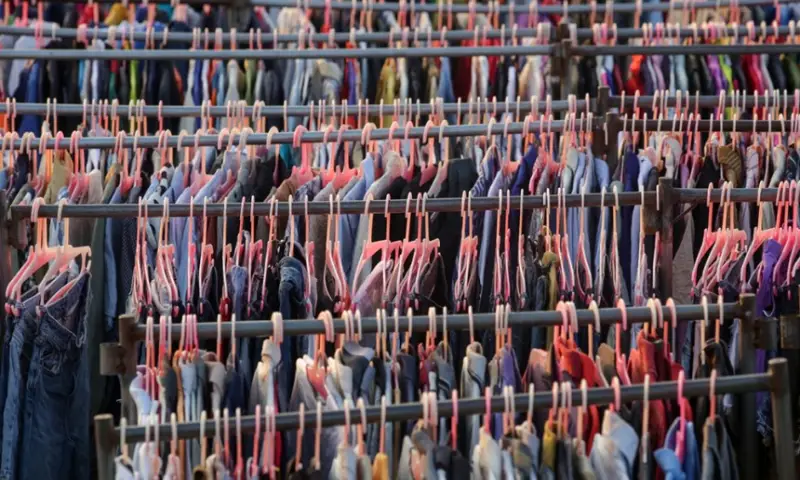
Trials connect textile waste with demand for new materials
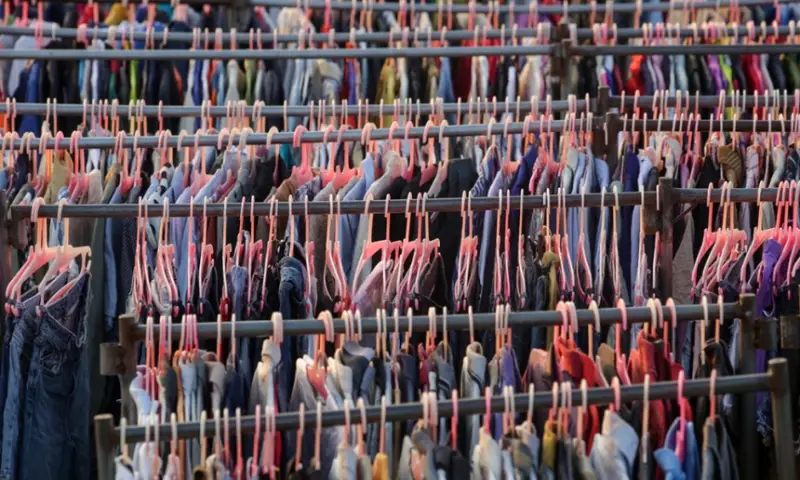
Kapdaa is testing a UK textile recycling model that links discarded fabrics to buyers for building materials. Its approach pairs collection and sorting trials with product development, aiming to establish both a reliable supply of used textiles and a market for materials made from them. The company plans to scale its system in 2027.
The commercial challenge is two-sided. Reprocessors need consistent volumes of suitable textiles, while manufacturers and construction customers need materials that meet performance requirements and can be supplied reliably. Kapdaa’s trials are intended to test those connections before a larger regional rollout.

Sorting capacity is a central bottleneck
The UK generates more than 1.4 million tonnes of post-consumer textile waste each year, according to figures cited by Kapdaa. The company says the sector has historically depended on export markets, where tighter import restrictions, higher tariffs and crowded markets are putting pressure on collectors and merchants.
Sorting is one reason much of this material is difficult to recover at higher value. Manual processes can be slow and rely on workers’ judgement, while garments may contain multiple fibre types that are hard to separate. Lower-quality clothing and mixed natural and synthetic fabrics can also bring in less resale revenue. When items cannot be reused or sold, councils may face disposal costs, and more material can end up in residual waste streams.
Kapdaa’s Automated Textiles Sorting & Processing system, known as ATSP+, combines AI-enabled scanning, optical sorting, mechanical tearing and fibre blending. The company says the equipment is designed to identify and process varied textile inputs, then prepare material for manufacturing. The trials will help show how well that chain works with the actual quality and mix of fabrics collected from different partners.
Digital records accompany each consignment
Kapdaa is working with waste managers, councils, laundries, clothing brands, workwear providers and charity sorters to gather standardised, uncontaminated material. It says each consignment processed through ATSP+ receives a digital identity, with records intended to track mass balance, material destinations and diversion from disposal.
Traceability could help participating organisations understand what happens to collected textiles after they leave a sorting site. Kapdaa also describes automated reporting for Scope 1, 2 and 3 emissions data. The practical value of these records will depend on what is measured, how consistently inputs and outputs are recorded, and whether customers can use the resulting data in their own reporting.
Reliable records matter because a recycling claim depends on more than collection. Buyers and suppliers need to be able to connect incoming material with processed fibres and finished products. A digital chain of custody can support that connection, while the trials can reveal the operational effort needed to keep records accurate across multiple organisations.
Building products provide an early market
Kapdaa says sorted textiles are being reprocessed into building products, including thermoacoustic insulation, mats and underlays. These uses offer a route for material that is unsuitable for resale as clothing. Construction buyers can also provide an early outlet for recycled fibres while more complex textile-to-textile processes are developed.
The company identifies polyester depolymerisation and cotton dissolution as future pathways. Both are intended to recover fibres or their chemical building blocks for further use. Kapdaa presents these processes as longer-term additions to the system; its current commercial work focuses on sorting and products that can use processed textile material today.
Using waste fibres in building products may reduce demand for some newly produced inputs, but the environmental result depends on the full production chain, including collection, transport, processing and product life. The company describes its materials as low in embodied carbon and says they are certified. Buyers will still need product-specific performance and environmental information to compare them with conventional alternatives.
Regional scale depends on dependable volumes and buyers
Kapdaa argues that domestic processing could retain more textile material in the UK and create specialised work in sorting, engineering and supply-chain operations. It also points to potential savings for councils if non-reusable textiles can be diverted from costly disposal routes. These are prospective benefits, not reported outcomes from the trials, and depend on facilities reaching sufficient throughput and securing steady customers.
The company’s wider ambition is to establish regional reprocessing hubs near established manufacturing centres. That model could shorten links between waste suppliers and material users, but it requires coordination across collection, processing and manufacturing. Feedstock quality, transport costs, equipment performance and the specifications buyers require will all shape whether the business can scale.
Kapdaa is seeking long-term supply commitments and purchase agreements as it works toward its planned 2027 expansion. The key test is whether trials can demonstrate repeatable sorting, dependable material quality and competitive products at commercial volumes. If those pieces align, the system could give more difficult textile waste a domestic use and provide manufacturers with another source of secondary material.