Glass Packaging Fees Put UK Manufacturing and Hospitality Costs in Focus
Proposed changes to glass packaging fees could affect manufacturers, hospitality businesses and the costs assigned to other materials.
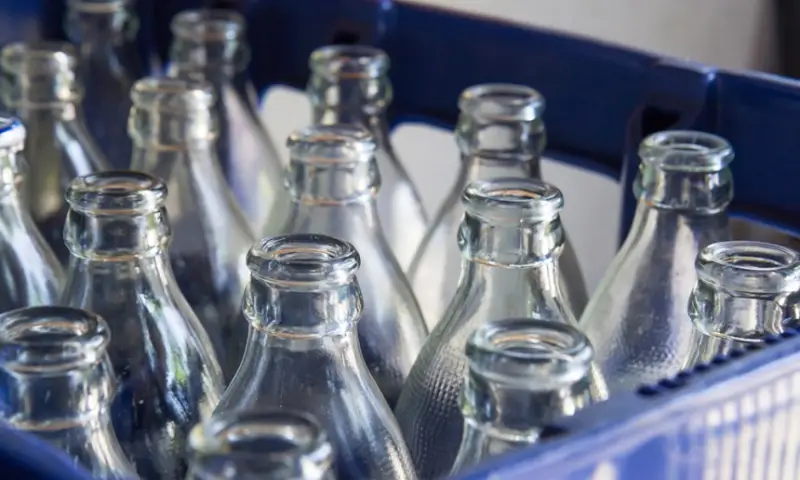
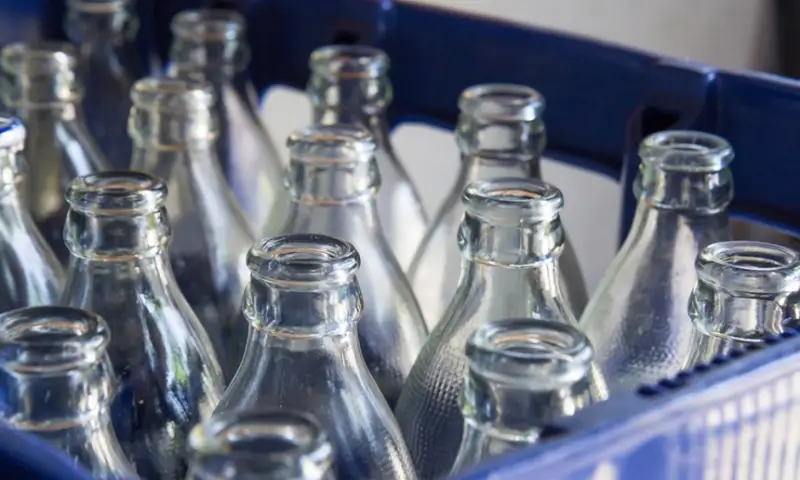
Glass packaging fees are becoming a pressure point in the UK’s extended producer responsibility scheme, with manufacturers and hospitality businesses seeking relief as the sector faces weaker demand and excess production capacity. Any change could also shift costs among packaging materials, so the details matter as much as the timing.
Fees and the case for relief
Defra has invited industry representatives to a meeting on Wednesday 11 November to discuss a possible response to concerns about packaging extended producer responsibility, according to reporting by The Grocer. The details remain unconfirmed. A Defra spokesperson, in a statement reported by letsrecycle.com, said the department was aware of concerns from the glass industry and that ministers were working on ways to reduce the pressures. The department declined to comment on leaked information.
British Glass wants glass fees cut by 75% while the scheme undergoes a wider review. Its argument is that fees calculated by packaging weight can make heavier glass less attractive to businesses choosing containers. If customers shift to other packaging, demand for glass made in the UK could fall, affecting manufacturers’ investment plans and employment.
The fee structure creates a direct cost signal for packaging choices: producers pay according to the material and, from 2026/27, its recyclability rating. Within each material category, packaging rated as more recyclable carries a lower charge per tonne than packaging rated as harder to recycle. That design ties the bill to both how much packaging is placed on the market and how it is assessed for recycling.
PackUK’s illustrative figures for the scheme’s second year put glass charges at £185 per tonne for green-rated packaging, £205 for amber and £245 for red. These are provisional planning figures, based on data that may change. They show a £60 per tonne difference between the green and red ratings, but do not establish the final amount any particular producer will pay.
PackUK plans to issue producers’ notices of liability for 2026/27 by the end of November. For businesses preparing budgets, that timetable makes the final notices and the underlying ratings practical points to watch. Changes to the fees could alter packaging costs, while a change to the balance between materials could affect the charges assigned elsewhere.
Manufacturing pressures are already visible
The debate is unfolding as Ardagh proposes closing a furnace at its Knottingley site. Around 80 roles could be affected, according to British Glass. In its third-quarter results, published on 22 October, Ardagh described the proposal as part of a European capacity review. It also proposed closing a furnace at Holmegaard in Denmark.
Ardagh cited reduced customer demand and surplus production capacity. It said customers could continue to receive supplies from its other facilities. The company’s explanation points to wider operating conditions behind the Knottingley proposal; the available information does not establish that packaging fees caused it.
British Glass executive director Nick Kirk said the sector was facing reduced demand, rising costs and stronger competitive pressures. He warned that lost furnace capacity would be difficult and expensive to replace, and called for measures to support domestic manufacturing and investment. Furnace capacity matters because a closure can shrink the production base available to serve customers. Replacing it, Kirk argued, would involve significant cost and difficulty.
Hospitality and the cost balance
Hospitality businesses have raised a separate concern: extended producer responsibility costs come on top of their existing commercial waste collection bills, The Grocer reported. For businesses managing packaging waste directly, the added charge may feed into operating costs. The supplied information does not quantify the effect on individual businesses, which will depend on their packaging and waste arrangements.
Reducing glass fees could ease pressure on some businesses, but industry sources quoted by The Grocer cautioned that it might increase charges for other packaging materials. That trade-off reflects how a shared fee system distributes the cost of managing packaging waste. A change aimed at one material could alter the amounts assigned to others, depending on the scheme’s calculations.
The UK-wide scheme transfers the cost of managing household packaging waste from taxpayers to packaging producers with obligations under the system. PackUK collects producer fees and pays local authorities to fund those waste services. Fee changes therefore matter both to businesses that place packaging on the market and to the funding mechanism for local waste management.
The timing remains uncertain. Sources quoted by The Grocer suggested that any intervention might not take effect until the scheme’s third year. Separately, the Foodservice Packaging Association said PackUK expects to seek evidence in early 2027 on additional factors that could shape future fees. Recycled content and overpackaging are among the areas being considered, but no decisions have been taken.
For glassmakers, hospitality operators and other packaging producers, the next useful signals are the outcome of the industry meeting, the final liability notices and the evidence process planned for 2027. Together, they will show whether fee changes address pressure on glass while keeping the costs assigned to other materials in view.
===