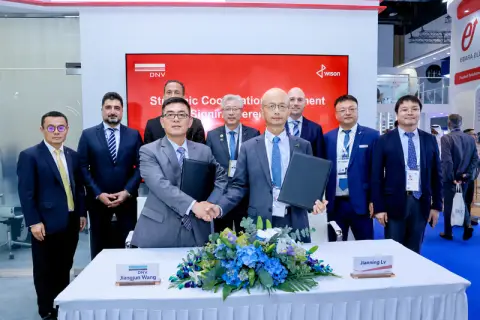
ADNOC Signs 10-Year LNG Supply Deal with Gujarat Energy for India
Gujarat Energy can receive up to 4 million tonnes of LNG from 2028, marking the first international portfolio sale through XRG’s trading platform.


ADNOC’s agreement to supply Gujarat Energy with liquefied natural gas over ten years gives the UAE energy company a route to connect supply from its international portfolio with demand in India. It also marks the first international portfolio sale for XRG, ADNOC’s investment company, and the fifth LNG supply agreement ADNOC has signed in India.
Under the sales and purchase agreement, Gujarat Energy may receive up to 4 million tonnes of LNG across the contract, with deliveries starting in 2028. The deal adds a long-term supply arrangement for the Indian company and expands ADNOC’s established commercial ties in the country. The maximum volume is stated as a total for the ten-year period; the agreement details provided do not specify annual delivery schedules or the pricing terms.
A new route for XRG’s gas portfolio
The first sale from XRG’s international gas portfolio is significant because the gas does not have to come solely from production in the Gulf. ADNOC says its global LNG marketing and trading platform will link supply produced outside the region with buyers such as Gujarat Energy. That gives the company a way to market a wider portfolio through commercial relationships in major importing markets.
The platform was launched in Abu Dhabi Global Market in July 2026. ADNOC has set a target of 47 million tonnes per annum of marketable LNG beyond 2030. That figure describes the platform’s stated ambition, rather than the volume covered by this particular deal. The Gujarat Energy agreement is one of the platform’s signed supply arrangements, alongside deals with Inpex in Japan and Gulf Group in Thailand.
Those agreements extend the platform’s reach across several Asian markets. For an LNG seller, building customer relationships in more than one country can create multiple outlets for cargoes and help connect supply with demand across the region. The practical value depends on the volumes available, delivery timing and the terms of individual contracts. The information given about the Gujarat Energy agreement does not establish how cargoes will be scheduled or sourced year by year.
India’s demand and delivery network
Gujarat Energy says it has regasification infrastructure, a city gas network operating across 44 districts in six states, and a growing trading presence in India. Regasification facilities convert LNG back into gas after a ship delivers it. From there, pipelines and local distribution networks can carry gas to industrial users and households where connections are available.
That infrastructure matters because a supply contract alone does not deliver gas to end users. The chain also depends on shipping, terminal capacity, pipeline access and the ability of buyers to manage changing demand. Gujarat Energy’s stated network gives the company a broad distribution footprint, while the agreement provides access to LNG over a defined term. The supplied details do not say which facilities or customers will receive gas under this contract.
ADNOC described the agreement as part of its long-standing energy relationship with Indian customers and said its trading platform is intended to provide reliable, flexible, long-term supplies. For Gujarat Energy, a ten-year contract can support planning for supply, though the actual benefit will depend on how the contract’s volumes and delivery terms fit its demand and infrastructure. Neither company’s quoted remarks disclose the contract’s pricing or specific flexibility provisions.
Natural gas in the energy transition
Gujarat Energy presents natural gas as a lower-carbon option that can support industrial efficiency, household cooking and transport. Gas can produce less carbon dioxide than coal when burned for energy, but its climate impact depends on the fuel it displaces, how efficiently it is used and emissions across its supply chain. Methane leaks during production and transport can add to the warming impact. No emissions figures or lifecycle assessment were provided for this agreement.
The contract therefore adds to India’s available gas supply, but the deal alone does not show how much coal or other fuel it will replace, or how quickly gas use might grow. Those details matter when assessing the climate effect. For households, the potential reach depends on local connections and affordability; for businesses, it depends on reliable delivery and the cost of gas compared with other fuels.
The next markers to watch are the start of deliveries in 2028, the volumes actually supplied, and how ADNOC develops the platform toward its target beyond 2030. Together, those details will show how the international portfolio translates into physical supply for India and what role the gas plays in the country’s changing energy mix.