GULF to Supply Four LNG Cargoes to China in 2027 Under PetroChina Deal
GULF will send about 0.3 million tonnes of LNG to China in 2027, extending its business from Thai supply toward international trading.
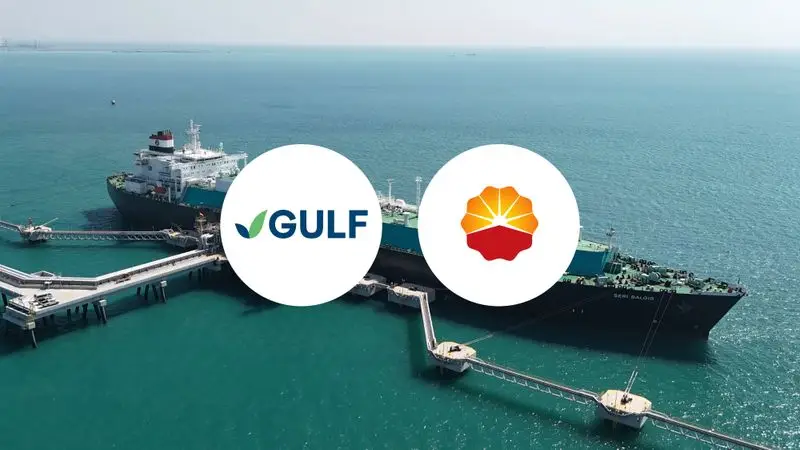

GULF’s planned delivery of four liquefied natural gas cargoes to China in 2027 marks a step beyond supplying its power plants in Thailand. The cargoes are expected to total approximately 0.3 million tonnes and will be supplied by Gulf LNG International (GLNGI) to PetroChina International (Singapore) (PCSG), under an LNG sale and purchase agreement.
The deal gives GULF a route into international LNG trading through an established counterpart with access to China’s market. Its significance lies in the change in the company’s role: alongside arranging fuel for domestic power generation, it is seeking to manage a portfolio of LNG supply and trade cargoes beyond Thailand. The planned volume is specified, but the agreement alone does not establish how much of GULF’s future business will come from international sales.
A trading relationship built on different strengths
GLNGI, incorporated in Singapore, will handle the supply to PCSG. GULF says its experience with LNG infrastructure in Thailand and its flexibility in managing LNG portfolios will work alongside PetroChina’s trading network and market access. The stated aim is to make its international trading activity more efficient.
That arrangement connects capabilities on both sides of the transaction. LNG trading requires coordination between supply, cargo delivery and buyers’ needs. A company with infrastructure and portfolio management experience can bring operational flexibility; a trading counterparty with market access can help connect cargoes to customers. The agreement puts those elements together for four deliveries, while leaving future trading volumes and arrangements unspecified.
For GULF, the move builds on an existing business rather than replacing its domestic role. The company says LNG supply for its power plants in Thailand remains on track. Maintaining that supply matters because its international trading plans sit alongside the fuel requirements of its current power operations. The company has not indicated that the China cargoes will alter those domestic arrangements.
What the planned deliveries show
At approximately 0.3 million tonnes across four cargoes, the contract represents a defined step into overseas sales. It also offers GULF an opportunity to develop experience in managing transactions that depend on relationships and market access outside its home market. The scale and timing provide a concrete starting point, though the available details do not specify delivery dates within 2027, pricing terms or the origin of the LNG.
The shift from securing LNG for domestic demand to managing a broader portfolio can give a company more ways to handle supply and trading. It also requires the business to coordinate across more markets and commercial relationships. GULF describes this transaction as part of building a stronger foundation for international trading and collaboration with global partners. Whether that foundation leads to additional cargo sales will depend on future deals, which have not been detailed.
Infrastructure remains part of the strategy
GULF’s LNG activities are managed through GULF Resources, its resources business arm. GLNGI oversees LNG supply and trading, while the wider business spans LNG receiving terminals, storage infrastructure, vessel operations and natural gas distribution. Those connected activities give context to the company’s claim that its Thai infrastructure capabilities can support a broader trading role.
The company’s approach therefore links physical operations with portfolio management. Receiving and storing LNG, coordinating vessel operations and distributing gas are different parts of the supply chain; trading adds the task of arranging cargoes and matching supply with market access. The China deal gives that trading activity a specific international destination and customer relationship, while the Thai infrastructure and power plant supply remain central to GULF’s existing operations.
GULF characterized the agreement as a further step in developing its LNG business across the value chain. For the energy market, the practical point to watch is whether the planned 2027 deliveries lead to a wider series of international transactions. For now, the measurable commitment is four cargoes totaling approximately 0.3 million tonnes, with domestic LNG supply in Thailand continuing on track.