Apache Offshore Workers’ Dispute Spreads Across Seven North Sea Platforms
About 170 Apache workers are striking over pay and working conditions, bringing successive groups of North Sea platforms to a halt.


Pay and working conditions have brought roughly 170 Apache offshore workers into successive rounds of strike action across seven North Sea platforms. Unite says the stoppages have halted operations on the affected assets as technicians and operators press the company to improve an offer they regard as a real-terms pay cut and change a seven-day “clawback” arrangement.
The dispute reaches several parts of the offshore workforce, including electrical, instrument, mechanical and production technicians, as well as telecoms technicians and radio operators. That range of roles matters to platform operations: a stoppage involving technical and production staff can interrupt work across multiple functions, rather than one isolated task.
Stoppages moved between platform groups
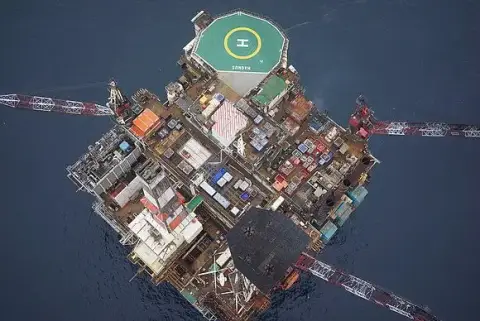
The first reported stoppage began at 18:00 on November 13 on Forties Alpha, Forties Bravo, Forties Delta and Beryl Bravo. Unite said that action was scheduled to finish at 17:59 on November 14. A second group—Forties Charlie, Forties Echo and Beryl Alpha—began a stoppage at 06:00 on November 15, due to run until 05:59 on November 16.
A protest was also planned outside Apache’s Aberdeen headquarters from 06:45 to 10:00 on November 16, timed to coincide with the end of that second period of action. The sequence puts pressure on the company at both its offshore sites and its local base. Unite says earlier stoppages in late October and early November had already brought all seven platforms involved in the dispute to a standstill.
Unite says its members will continue industrial action until Apache makes an offer they consider acceptable. It also reports that members from across the UK sent thousands of emails to company management over the weekend, urging a return to negotiations. Those messages add a wider membership effort to the direct action by Apache’s offshore workforce.
Pay offer and working pattern at the centre
The pay disagreement concerns an offer that workers rejected. Unite characterizes its effect as a freeze for some employees and below-inflation increases for others, which it says would reduce pay in real terms. The union also says Apache workers it represents earn well below the industry average for comparable roles. Those claims are Unite’s account of the dispute; the figures provided do not include the offer’s detailed pay bands or an independent comparison of role-based wages.
The separate complaint concerns a seven-day “clawback” policy. Unite describes it as above the industry average and says it can require employees to complete additional days without extra pay. In a shift-based offshore job, the practical effect of a pay arrangement depends on how it applies to hours, rotations and time worked. The available details do not specify how the policy is calculated for each role, but the union’s objection is that workers can be required to provide additional labour without corresponding pay.
Unite has pointed to APA Corporation’s financial results as context for its demand. The parent company reported in August $1.7 billion in net cash provided by operating activities, approximately £1.25 billion, and $738 million in free cash flow, around £558 million. These figures describe the corporation’s reported cash generation; by themselves, they don’t establish what Apache can or should offer the workers in this particular negotiation.
What happens next
The immediate question is whether the successive stoppages bring Apache and Unite back to an agreement on pay and the clawback arrangement. A resolution would affect the workers’ pay and working conditions, while prolonged disruption could complicate operations across the platforms involved. The information available does not quantify any production effects or give a timetable for further action.
Unite has characterized the dispute as one in which members are prepared to escalate pressure and remain on strike until the offer changes. For the company, the practical test is whether a revised proposal can address workers’ concerns across different technical and operational roles. The next sign of movement will be a return to talks or a change in the offer; until then, the platform-by-platform action leaves the dispute active across Apache’s North Sea operations.
Further details on the earlier rounds of action are available from Unite’s October update and its November update.