Statfjord A’s 50,000-Ton Topside to Be Recycled at Stord
Aker Solutions will dismantle and recycle the Statfjord A topside at Stord after its planned removal, with work expected to last about two years.
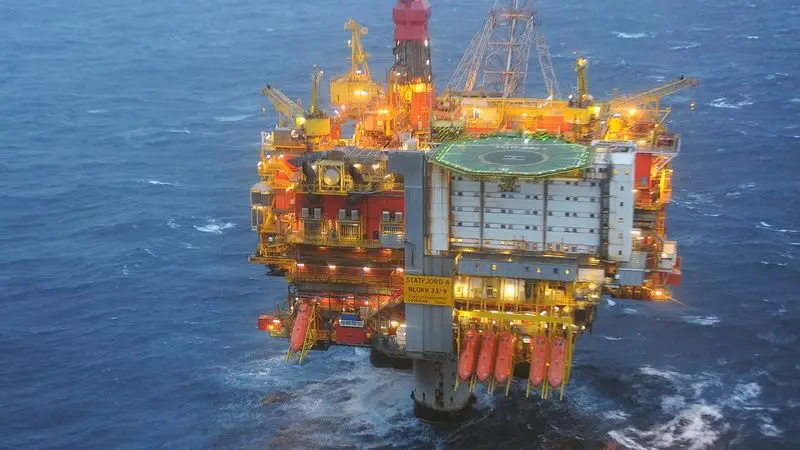

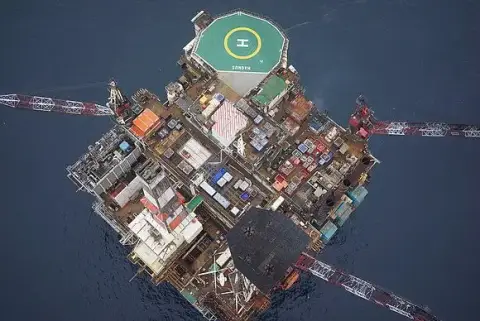
The dismantling of Statfjord A’s approximately 50,000-ton topside is set to return the structure to the yard where it was built. Aker Solutions has received a letter of intent from Allseas for work covering reception, dismantling and recycling at the Stord facility in Norway. Allseas is expected to remove the topside offshore using its heavy-lift vessel Pioneering Spirit.
The arrangement connects two stages of the structure’s life: its construction in the 1970s and its eventual processing after decades in the North Sea. Aker Solutions says the topside was built at Stord in 1975 and prepared for installation on its concrete gravity base the following year. Its return gives the original builder a role in taking the structure apart and recovering materials.
From offshore removal to yard work
The letter of intent covers preparatory work related to disposal, reception of the topside at Stord, dismantling and recycling. The contract value is estimated at between NOK 0.5 billion and NOK 1.5 billion, equivalent in the announcement to about $52 million to $155 million. That broad range leaves the final value dependent on the contract’s development and execution.
The sequence matters. Allseas’ offshore lift must first bring the large structure ashore; the yard work follows. Once received, the topside will need to be dismantled into manageable sections and sorted so materials can be directed to suitable recovery or disposal routes. The scale and complexity of such work depend on the structure’s condition, its components and the practical requirements of handling them at the facility. The announcement does not specify the expected quantities or types of materials to be recovered.
For Aker Solutions, familiarity with the topside is a practical asset. The company says it built the structure and carried out maintenance, modifications and life-extension work over several decades. That history gives the team detailed knowledge of its design and changes made during service. Such records and experience can help inform planning for dismantling, though the work still has to account for the condition of the structure when it reaches shore.
A long schedule, with a concentrated workforce
Statfjord A is expected to arrive at Stord sometime between 2029 and 2031. The dismantling and recycling work is expected to take about two years, with around 100 personnel anticipated at peak. Those timings put the yard phase several years ahead, while leaving the precise arrival year within a three-year window.
The projected staffing level gives a sense of the local work involved, but it is a peak estimate rather than a stated average across the full two years. The project will also depend on coordination between the offshore removal and the receiving facility: the topside’s arrival sets the point at which the main yard phase can begin, and the work then has to be managed across successive dismantling and material-handling tasks.
For the Stord facility, the project adds a large offshore structure to its decommissioning workload. For the surrounding area, a temporary peak of roughly 100 personnel could mean additional activity during the busiest phase. The announcement does not give a breakdown of roles, local hiring, or how staffing will change over the schedule, so the broader employment effect cannot yet be quantified.
Closing the loop on a major North Sea structure
Statfjord A has contributed to production from the Statfjord field, described as one of the largest oil fields developed in the North Sea. Its topside now faces a different set of engineering challenges: safe reception, controlled dismantling and recovery of materials at an industrial yard. The project illustrates how the retirement of offshore infrastructure involves substantial work after equipment leaves its operating location.
Material recovery is a stated aim, but no recovery rate or final destination for specific materials has been announced. The actual outcome will depend on the material inventory, the condition of components and the processes available during dismantling. Those details will determine how much can be recycled and what requires other forms of handling.
The next milestones are the offshore lift, the topside’s arrival at Stord and the start of the yard programme within the expected 2029–2031 window. Aker Solutions’ original connection to the structure gives the project an unusual continuity: the topside is set to return to the place where it began, where its final stage will be measured in recovered materials, completed dismantling work and the demands of handling a structure of this scale.