CIWM and CEI Set Out a 2050 Vision for Circular Resource Stewardship
A new vision shifts attention from recycling alone to product design, longer lifecycles and resource security across the UK economy.
From waste management to resource stewardship
The UK resources and waste sector’s role could extend well beyond collecting and processing discarded materials. A joint 2050 vision from CIWM and the Circular Economy Institute (CEI) argues for protecting the value of products and materials throughout their lifecycles, with implications for how goods are designed, used, maintained and recovered.
The report, Stewardship: A circular economy vision 2050 and the role of the resources and waste sector, examines how that shift could contribute to UK resource security, resilience and sustainable economic growth. Its central message is that recycling remains part of the picture, but cannot carry the whole burden: a system focused mainly on handling waste once it exists leaves earlier opportunities to reduce demand and keep materials useful largely untouched.
That change in emphasis matters to businesses as well as waste operators. Product design influences whether goods can be repaired, reused or recycled; decisions about investment shape which facilities and services become available; and reliable information helps organisations understand where resources are used and lost. Treating these choices as connected parts of a system gives the resources sector a wider role in shaping practical outcomes.
Four possible routes to 2050
Commissioned by CIWM’s Policy and Innovation Forum and prepared by Mark Shayler and Emma Beal in consultation with experts, the report sets out four scenarios: Retreat, Static, Accelerated Progress and System Transformation. They are intended to help UK decision-makers and people working across the sector consider the choices that could shape progress towards 2050.
The scenarios offer different ways to think about the pace and reach of change. The report does not present a single guaranteed future; instead, it uses these contrasting pathways to make long-term choices easier to examine. That is useful in a field where products, infrastructure, business models and services are interdependent, and where decisions made in one area can influence what is possible elsewhere.
The report also proposes checks for products, services and materials, alongside the frameworks that shape them, to assess whether activity is moving towards its 2050 aims. The practical value of such checks will depend on whether they can be applied consistently and help organisations judge progress across the lifecycle, rather than measuring only what happens when a product becomes waste.
A wider role for the resources profession
The vision describes the resources and waste profession as an expert partner in design, investment, infrastructure, data and the fair management of change. That expands the sector’s contribution: its knowledge of materials and recovery can inform decisions upstream, while its operational experience can help identify whether circular approaches work in practice.
For companies, a lifecycle focus can bring attention to questions that conventional disposal measures may miss. Can a product last longer? Can it be maintained or used again? Can its materials be recovered in a form that retains value? The report’s approach connects those questions to choices about design and business models, rather than leaving them to be addressed only at the end of a product’s use.
For communities, the consequences are more tangible when products and materials stay useful for longer: less avoidable waste may mean less demand for replacement goods and a greater emphasis on services that keep items in use. The report frames this as part of strengthening resource security and resilience. How much can be achieved will depend on the choices made across the system and on whether the proposed checks provide a clear way to track progress.
Turning ambition into delivery
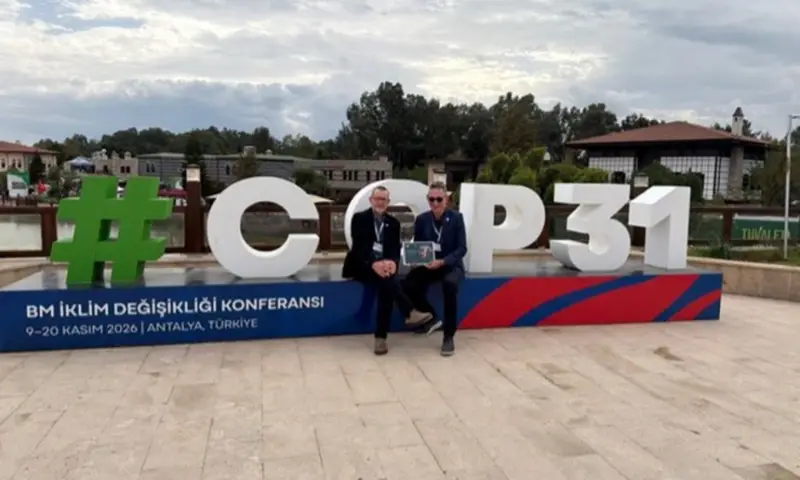
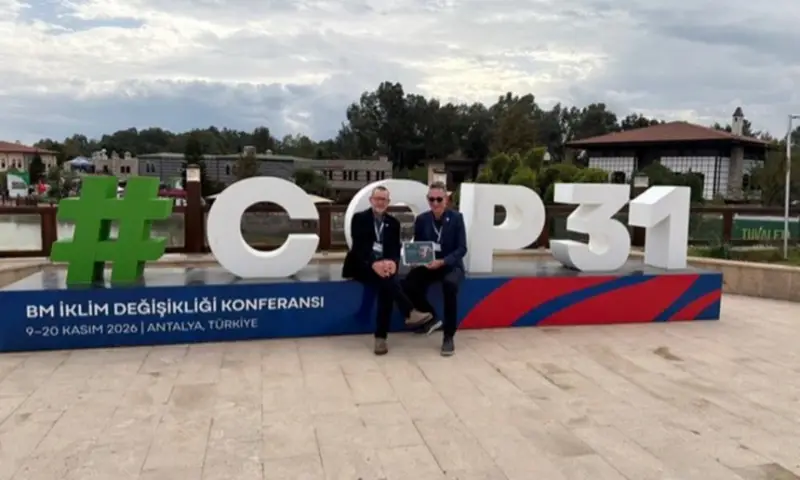
Marcus Gover, chair of CIWM’s Policy and Innovation Forum, and Iain Gulland, chair of CEI’s Strategic Advisory Forum, announced the report at the summit’s Zero Waste workstreams. Gover said that managing waste after it has been created, including maximising recycling, is “no longer sufficient”. He called for attention to reducing resource demand, improving design, extending product lifecycles and embedding business models that protect and regenerate natural systems.
CIWM chief executive Sarah Poulter described the vision as a set of long-term strategic choices for the sector, its partners and the organisation’s professional members. She said CIWM would support a shift from end-of-pipe collection and processing towards systemic resource stewardship and greater circularity, and help members and partners build the capabilities needed for resilience and sustainable growth.
Gulland likewise emphasised preserving the value of products and materials across their lifecycles. He said stewardship needs to be embedded in design, investment, policy and practice if circular ambitions are to become practical delivery. Gover presented the report during a COP31 panel, “The Global Push: A Common Direction for Resources and Waste Management”, with representatives from international organisations and national bodies, including the International Solid Waste Association.
The vision’s practical test will be whether its principles influence decisions before materials become waste, and whether the suggested checks make progress visible. For the sector, the next step is to connect expertise in recovery with choices about product lifetimes, resource demand and infrastructure. That is where a 2050 ambition can begin to shape day-to-day practice.