UK Battery Fires Cost Waste System an Estimated £2.37 Billion a Year
An estimated 2,839 battery fires hit the UK waste system in 2025, disrupting services and damaging vehicles and facilities.
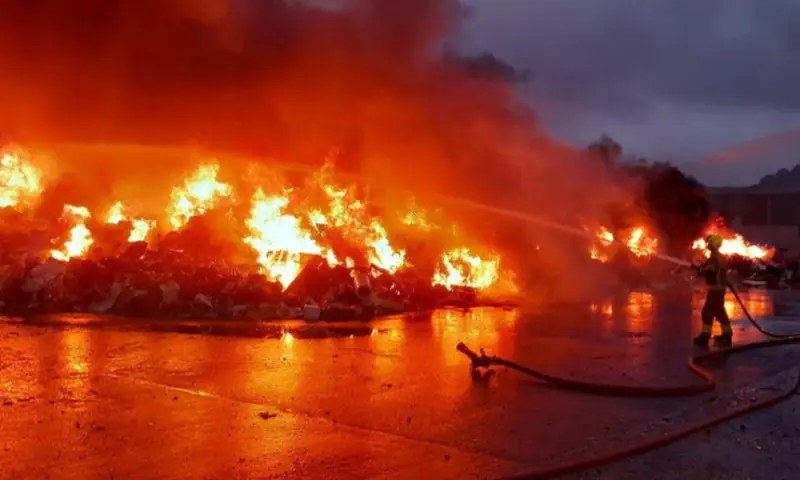
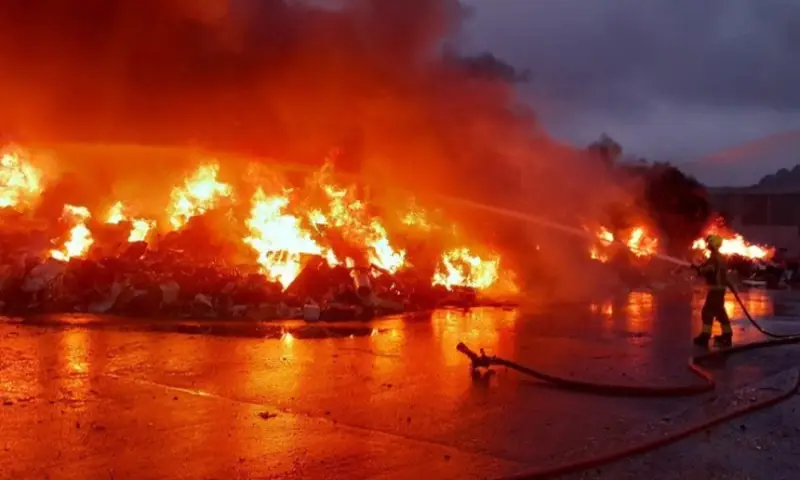
Battery fires are imposing an estimated £2.37 billion in annual economic costs on the UK waste system, according to research by Material Focus. The estimate captures damage to vehicles and facilities, interrupted services, diverted waste and emergency responses. The scale of the figure points to a waste-management problem that reaches beyond the site of any single fire: a discarded rechargeable product can put collection equipment, processing operations and nearby communities at risk.
Fires are becoming a larger operational challenge
Material Focus estimates there were 2,839 battery fires in 2025, a 135% increase compared with 2023/24. Fires involving bin lorries made up 26% of incidents, up from 19% in the earlier period. Among the 97 local authorities that answered the organisation’s survey, 91% said battery fires were an increasing challenge.
The estimates draw on responses from those 97 authorities, representing around a quarter of UK councils, as well as desk research and engagement with stakeholders. Material Focus scaled survey findings using regional population figures and applied economic modelling to estimate financial and operational effects. The results therefore describe a national estimate built from a sample and modelling, rather than a count of every incident reported across every area.
That distinction matters when interpreting both the total and the trend. The research signals a substantial and rising burden, while the method means the figures depend on survey responses and the assumptions used to scale them. Even so, the increase in the estimated number of fires, the larger share involving collection vehicles and the high proportion of surveyed authorities reporting a growing problem all point in the same direction: battery-related fires are placing more pressure on waste services.
Small products can create costly damage
Lithium-ion batteries power many everyday rechargeable products, including electric toothbrushes, power banks and wireless earphones. When these batteries are crushed, pierced or otherwise damaged during collection or processing, they can ignite. Throwing a battery-powered item into a household bin or mixed recycling collection can put it into a waste stream where it may be compressed or handled alongside other material.
The financial impact is not limited to the most severe incidents. A replacement bin lorry can cost nearly £540,000, Material Focus said, while less extensive fires can still require vehicle or facility repairs, clean-up and time out of service. Each interruption can affect the amount of waste a team can collect or process while equipment is repaired, a site is cleared or work is reorganised.
For waste operators, these costs can stack up across several parts of the system. Damage to a collection vehicle affects the ability to gather waste; a fire at a processing facility can interrupt work there. Waste may need to be diverted, and crews may face extra handling or altered routes. The research also identifies higher insurance costs and service interruptions as longer-term consequences, although it does not provide separate totals for each category.
Fire response brings risks beyond the facility
A battery fire can spread to surrounding waste and may reignite after it appears to have been put out. That can extend response and clean-up work and expose collection crews, site workers and firefighters to additional hazards. Material Focus says incidents involving collection vehicles can require crews to unload burning waste in residential areas. Smoke can affect nearby properties, and roads may close while a fire is handled.
James Bywater, waste fires and recycling lead at the National Fire Chiefs Council, said the rise in fires involving lithium-ion batteries was concerning because many incidents were preventable. He said a battery placed in a household bin could cause a serious fire, put people at risk and, in some cases, take days to extinguish fully.
Megan Dunford, head of large and complex property claims at Zurich UK, said these fires can burn more fiercely, produce toxic fumes and be harder to extinguish. She linked those characteristics with greater danger for firefighters, disruption to local areas and higher clean-up costs. The risks make correct disposal relevant to residents as well as to the crews and businesses that manage waste.
Separate collection is the practical intervention
Material Focus is urging households to keep batteries and battery-powered electrical items out of general waste and mixed recycling collections, and to use dedicated recycling services. The organisation says its Recycle Your Electricals locator lists 30,000 electrical recycling points across the UK. Working electrical items can be reused or donated; broken products should be taken for recycling.
These routes help keep batteries out of collection and processing streams where crushing or other damage can trigger a fire. For households, the immediate step is to check the disposal route for rechargeable products rather than placing them in a regular bin. For waste services, the rising estimate underlines the value of making separate collection points easy to find and use.
The reported costs combine direct damage with disruption that can spread across a service, so reducing the number of batteries entering general waste could help limit both physical losses and interrupted operations. The next useful measure will be whether incident estimates and local experience change as separate recycling options are used more widely.