Zoox Begins Robotaxi Testing in Northwest Atlanta
Zoox is starting with a limited Atlanta test area after 18 months of local preparation, with broader access planned as testing expands.
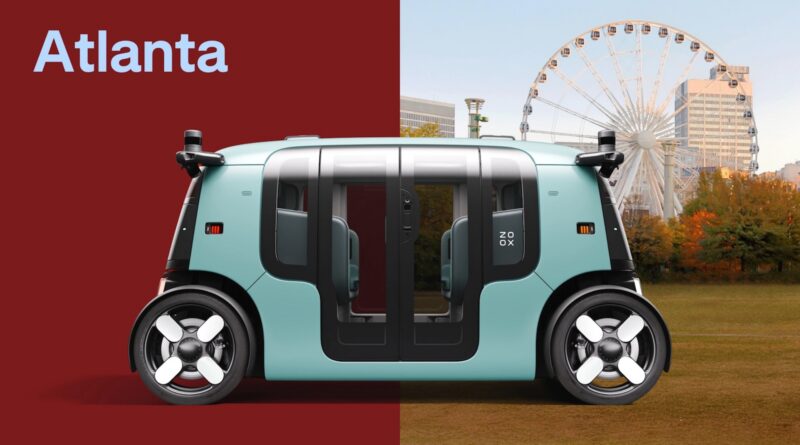
Zoox is bringing its purpose-built robotaxi to Atlanta, beginning with a restricted test area in the city’s northwest. The move adds a new market to the company’s growing US footprint, while the limited rollout makes clear that wider passenger access will depend on how testing develops.
The initial operating area covers the neighborhoods near Atlantic Station, Woodward and Home Park. For now, rides are limited to Zoox employees, their family members and friends. The company says it expects to open an Atlanta waitlist in the coming months, before starting its Zoox Explorers early rider program. That sequence gives the company time to expand its testing and gather experience in local conditions before inviting a broader group of riders.
A measured build-up in Atlanta
The launch follows about a year and a half of groundwork. Zoox began operating in Atlanta in spring 2025 with a testing fleet, mapping streets and studying local driving behavior, weather patterns and city infrastructure. It says it has since broadened the areas its vehicles can cover, begun autonomous driving, and increased its fleet and local team.

That preparation matters because a robotaxi service has to work within the details of a city, not just demonstrate that a vehicle can drive on a selected route. Street layouts, traffic patterns and changing weather all shape the work involved in expanding an operating area. Zoox has described its approach as gradual, with early local engagement and community relationships forming part of its preparation for future service.
The company also points to a local youth partnership with @Promise Center. It says the work is intended to help young people learn and prepare for their futures in a supportive setting. The announcement offers few details about the program’s scope, but it shows that Zoox is presenting its Atlanta presence as a community commitment as well as a vehicle test.
Why Atlanta, and what the rollout can show
Zoox describes Atlanta as a large ride-hailing market with a dense urban core and a growing population. Those characteristics could make the city a useful place to assess demand for on-demand autonomous rides. Whether that demand can support a service at larger scale is still an open question: the current Atlanta rollout is limited, and the company has not provided figures for fleet size, expected ride volume or operating costs.

Atlanta is also part of a wider pattern in the robotaxi sector. Companies are adding cities while keeping service areas and fleets relatively contained. That can allow them to learn about local operations step by step. It also leaves key business questions unresolved, including whether a wider network can generate enough rides to cover the cost of vehicles, operations and continued development. Zoox’s Atlanta plans provide another point to watch, but don’t establish what the economics will look like as service expands.
The company lists Atlanta as a testing market alongside Austin and Miami, where it is also testing. Zoox offers public service in Las Vegas and runs its Explorers early rider program in San Francisco. These stages represent different levels of access, from testing to a passenger program or public service, and show that the company’s activity varies by city.
A vehicle designed around the ride
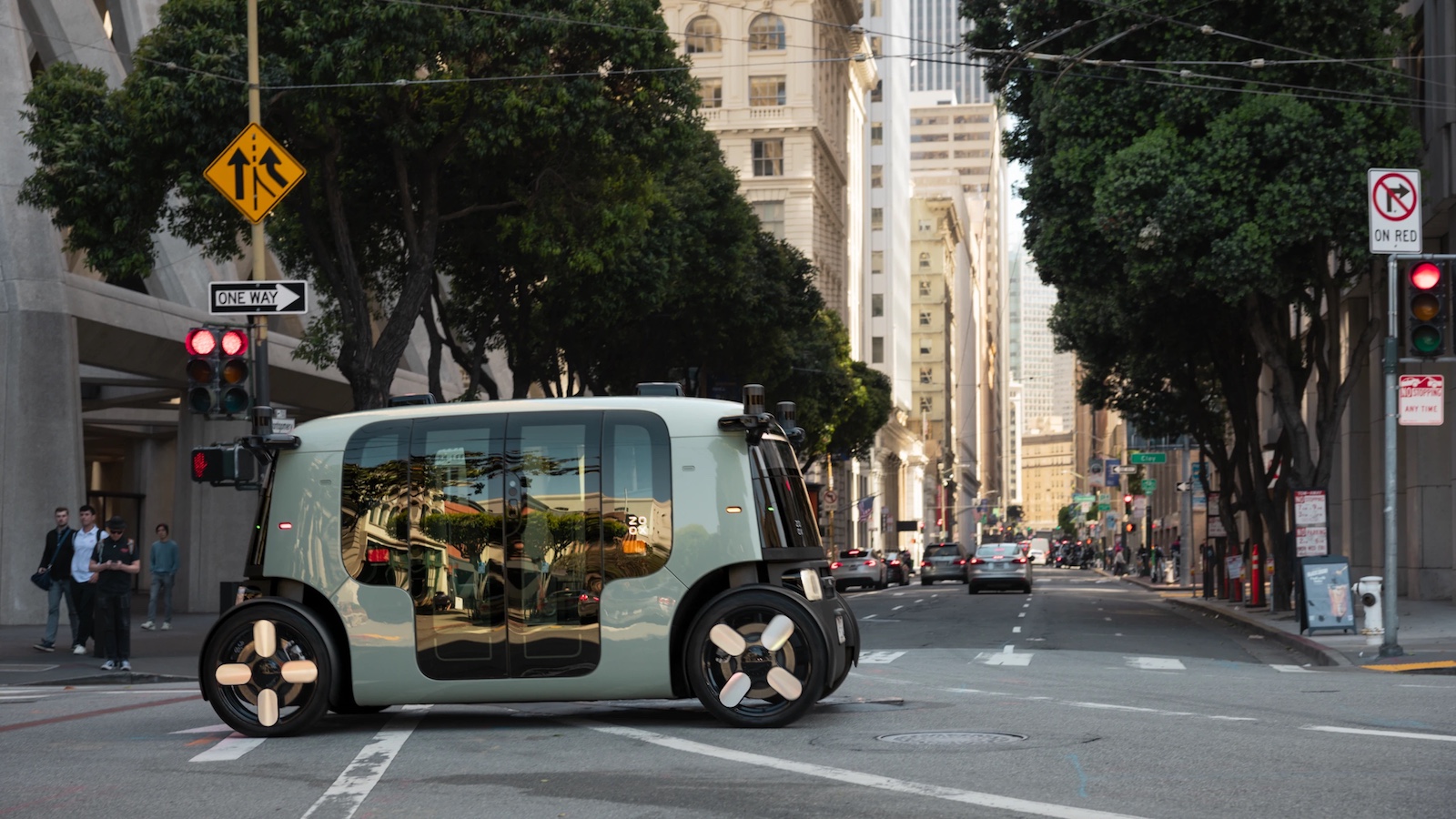
Zoox says its vehicle was built specifically for autonomous ride-hailing rather than adapted from a conventional car. It has no steering wheel or driver’s seat, and its seating is arranged in a carriage style for up to four passengers. The company says that layout is meant to give riders a private space to talk, relax or spend their travel time as they choose.
Zoox also says it owns and operates its service and assembles its vehicles. It describes itself as the only company then deploying a fully driverless, purpose-built robotaxi on US public roads. That distinction reflects its approach to vehicle design and operations; it doesn’t answer how customers will compare the experience with other transport options or how quickly the company can expand its service.
For Atlanta residents, the immediate change is modest: access remains limited, with a waitlist and early rider program still ahead. The more consequential test will be whether Zoox can move from preparation and restricted trials to a service that reaches more of the city while maintaining reliable operations. The pace and geographic reach of that next step will show what the company has learned from Atlanta’s streets.