Scout Motors Builds First Validation Vehicles as South Carolina Factory Nears Completion
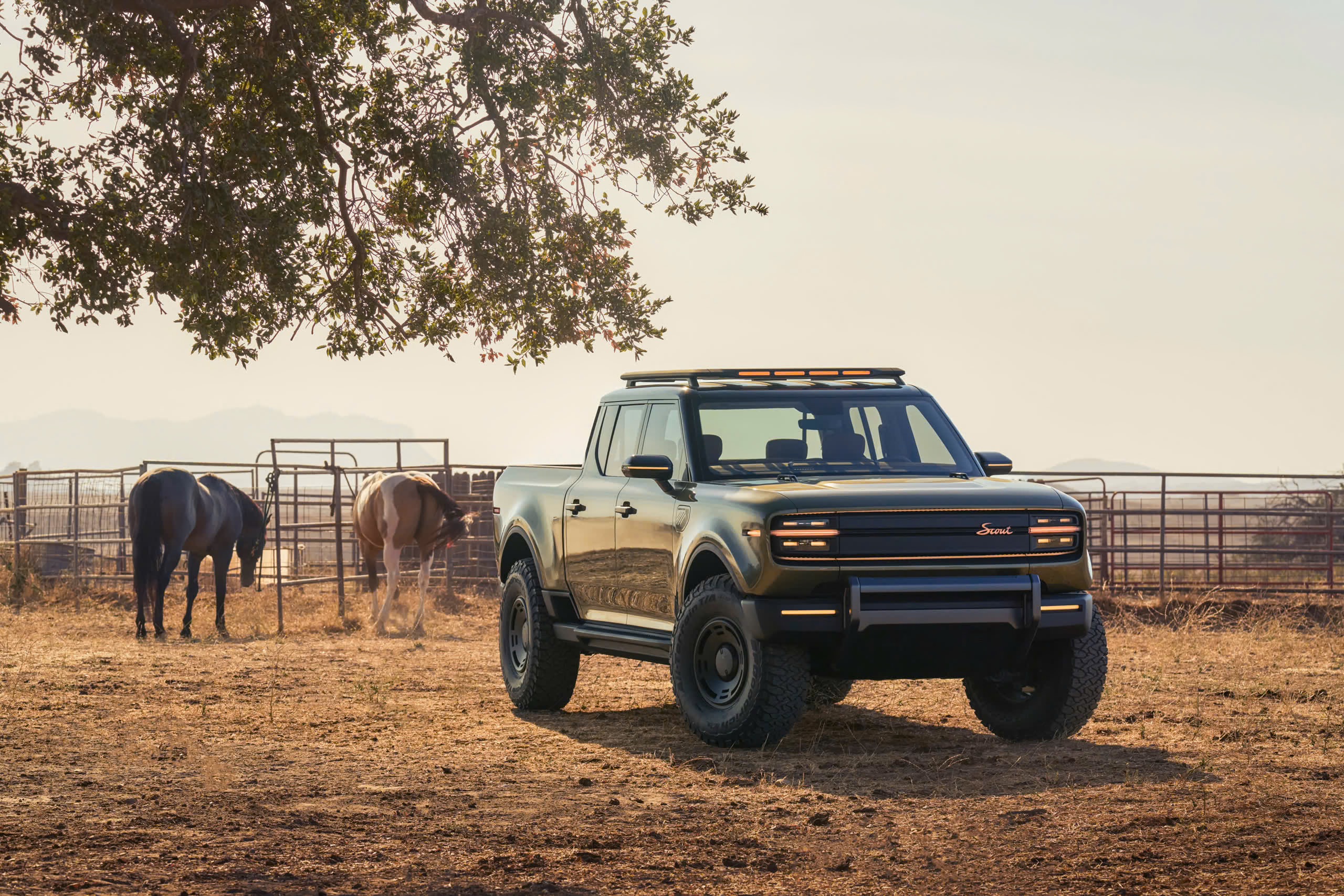
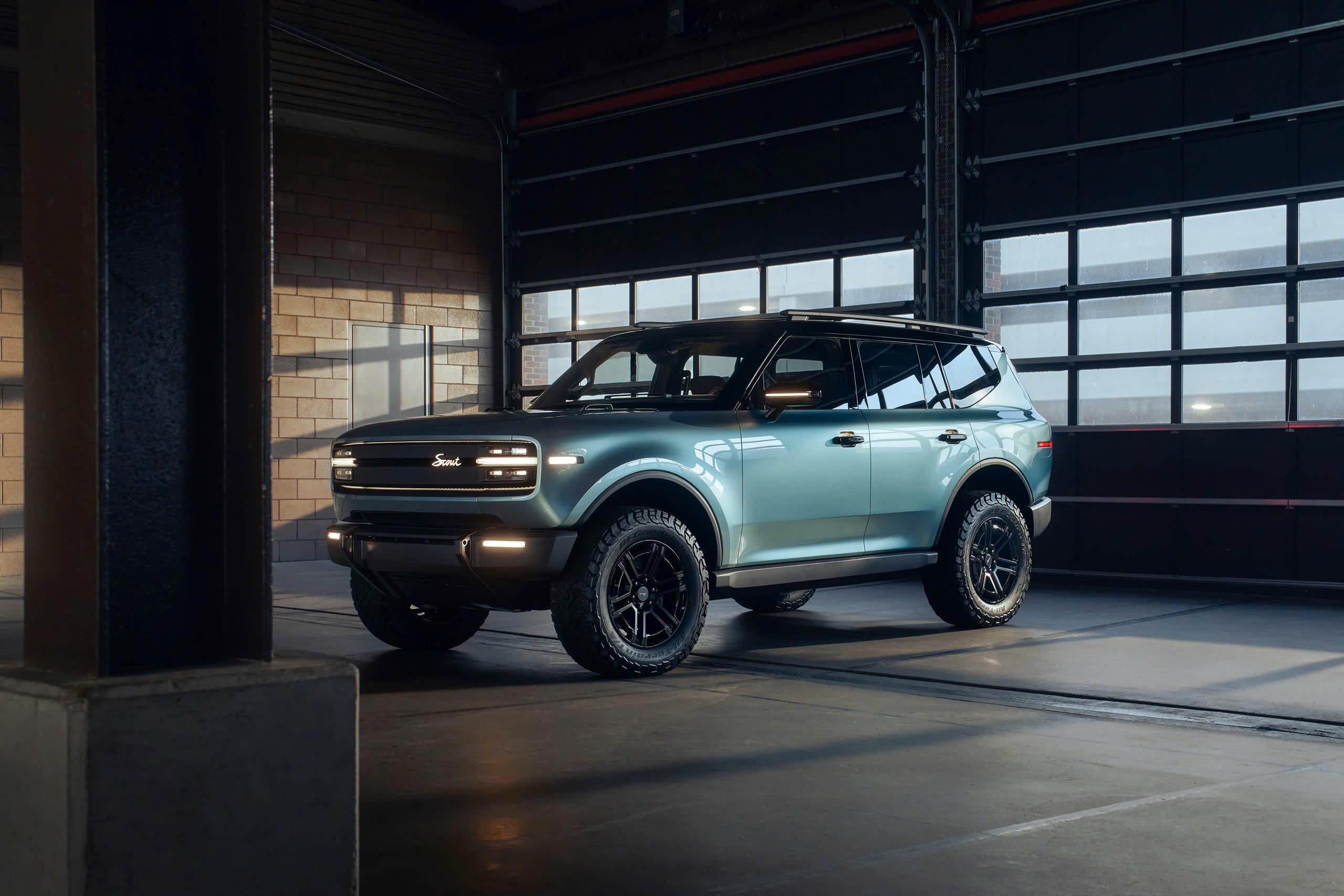
Scout has begun validation builds for its Traveler SUV and Terra pickup, with production targeted for 2027 and customer deliveries expected in 2028.

Scout Motors has moved its Traveler SUV and Terra pickup from factory construction toward vehicle validation, a step that gives its planned launch a more tangible timetable. The company says its Blythewood, South Carolina, factory is 85% complete, with stamping, welding and painting now taking place there. Customer production is forecast to begin in 2027, followed by deliveries in 2028.
The validation builds are early vehicles made to check production processes and vehicle systems before the line turns to pre-production units. That work can expose issues in assembly, equipment and fit before customers receive vehicles. Scout’s progress is meaningful, but validation builds alone don’t establish how quickly the factory can reach its intended output or whether the delivery schedule will hold.

A factory takes shape in South Carolina
Scout, a Volkswagen Group subsidiary, is developing the two vehicles at a factory in Blythewood. Construction began in 2023, and the company has put $2 billion into the facility. CEO Scott Keogh says it is 85% complete. The ability to stamp, weld and paint vehicles on site marks a shift from building the facility to testing how its manufacturing operations work together.
For a new vehicle program, that transition matters because production depends on more than the design of the vehicles. Parts, equipment and assembly steps must work together at the pace and quality a factory needs. Validation and pre-production builds give the company stages to check those processes before customer vehicles are made. The available details don’t specify how many validation vehicles are being built or what targets Scout will use to measure readiness.



Reservations point to strong early interest
Scout reports more than 212,000 reservations for the Traveler and Terra. That figure has risen from 50,000 in January and 160,000 in March. Keogh says the total could reach 400,000 by the time customer production begins. The factory is planned for annual capacity of 200,000 vehicles, so a reservation total at that level would signal a substantial queue if a large share of customers complete their purchases.
There’s a meaningful caveat: each reservation costs $100 and is fully refundable. A reservation count shows interest, but it can’t establish how many buyers will place orders, accept final pricing or take delivery. The number will become more informative as Scout moves closer to production and customers make purchase decisions.
The reservation mix also gives a first indication of what prospective buyers want. Scout says 87% of reservations are for extended-range electric versions, while 75% are for the Traveler SUV. The extended-range models use electric drive, with a gas engine recharging the battery while the vehicle is moving. This configuration keeps electric motors responsible for driving the wheels while adding a way to replenish the battery when charging access or trip length makes that useful.
What the product mix suggests
The preference for extended-range versions is notable because Scout initially planned to make only fully electric vehicles. The company later added the range-extended option. Reservations now suggest that, among people who have put down refundable deposits, flexibility on longer trips is an important part of the offer. That early signal could shape production planning, though it doesn’t tell us how actual sales will split once prices, specifications and delivery dates are in front of buyers.
The Traveler’s share of reservations also suggests that early demand leans toward the SUV over the Terra pickup. Scout has not provided a breakdown of how that mix might change, or how it will allocate factory capacity between the two models. Those details will matter as the company plans production around both vehicle types and powertrain choices.
For now, the next markers are pre-production builds and progress toward the stated 2027 production start. If Scout can move through validation and prepare the factory on schedule, it will have a clearer path from reservations to customer deliveries in 2028. The scale of interest is encouraging, but factory execution and conversion of refundable deposits into firm purchases will determine how much of that early demand becomes a durable production queue.