Zoox Robotaxis Join Uber in Las Vegas, With Los Angeles Planned Next
Uber riders can be matched with Zoox robotaxis on eligible Las Vegas trips, expanding access as the companies prepare a Los Angeles launch.

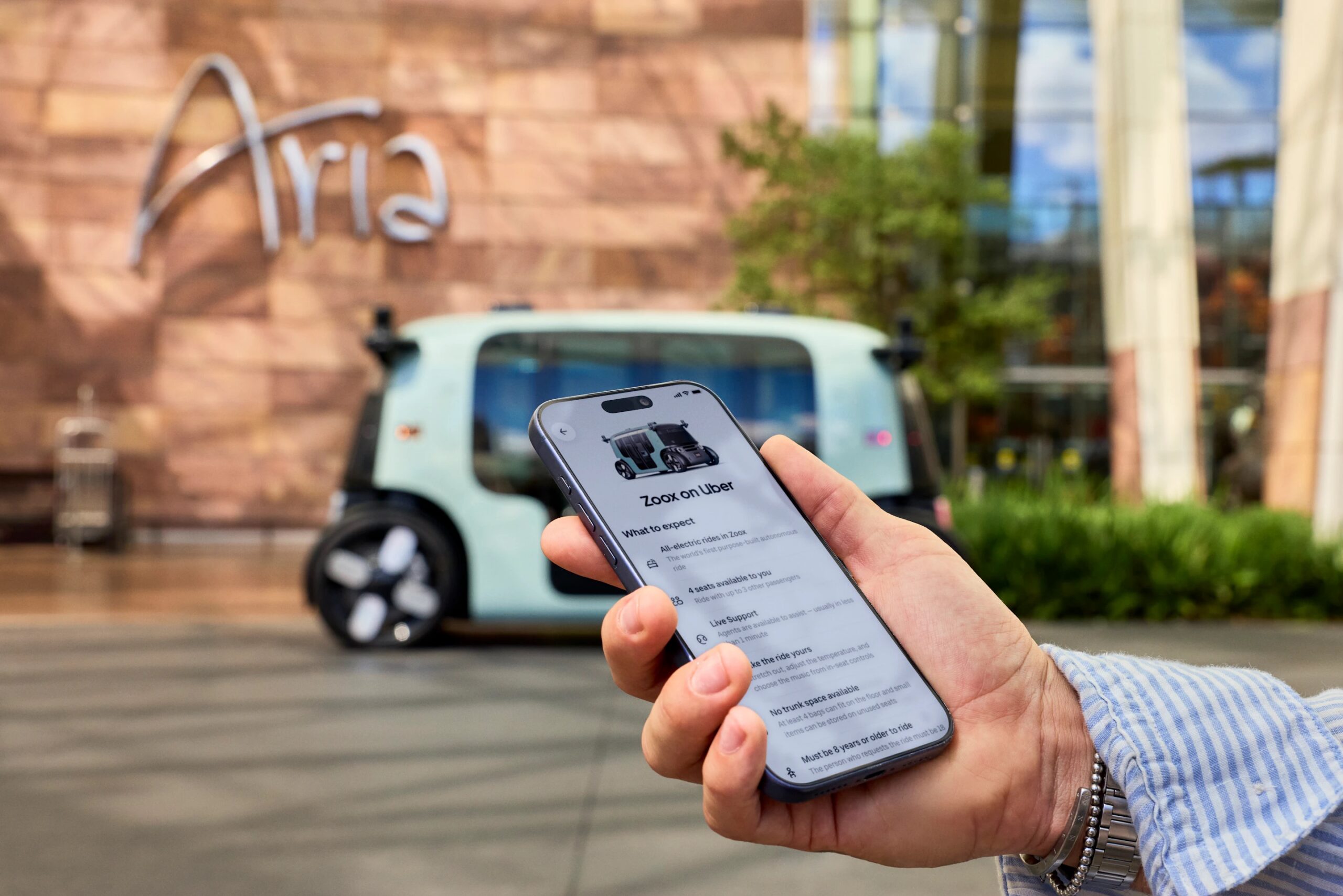
Zoox’s Las Vegas robotaxi service is gaining a second route to riders: starting November 17, 2026, Uber users can be matched with a Zoox vehicle on eligible trips. The arrangement gives the autonomous, all-electric service access to Uber’s ride-hailing platform while Zoox continues taking bookings through its own app. The companies say Los Angeles is next, with a launch planned for 2027 after Zoox opens service there through its app.
The change could make it easier for curious riders to try a purpose-built robotaxi without first downloading a separate service. But the initial rollout is limited: Zoox says it will begin with a small fleet, and Uber matching applies only to eligible trips. The announcement does not give a fleet size, define eligibility, or specify when the service might expand.
Where riders can book
In Las Vegas, riders can use either the Zoox app or Uber to access the service. Trips through both apps can reach popular resorts and venues on and around the Strip, along with destinations in Downtown and the Arts District. The companies say they expect to add more destinations, but haven’t provided a timetable or a list of planned additions.

Zoox and Uber are also working with MGM Resorts at its Las Vegas properties. Their stated aim is to make pickups and drop-offs easier to navigate through on-property wayfinding, guidance in the app, and infrastructure changes intended to improve traffic flow. Those details matter in a visitor-heavy area: booking a ride is only part of the experience if a passenger can’t readily find the pickup point.

A vehicle designed around passengers
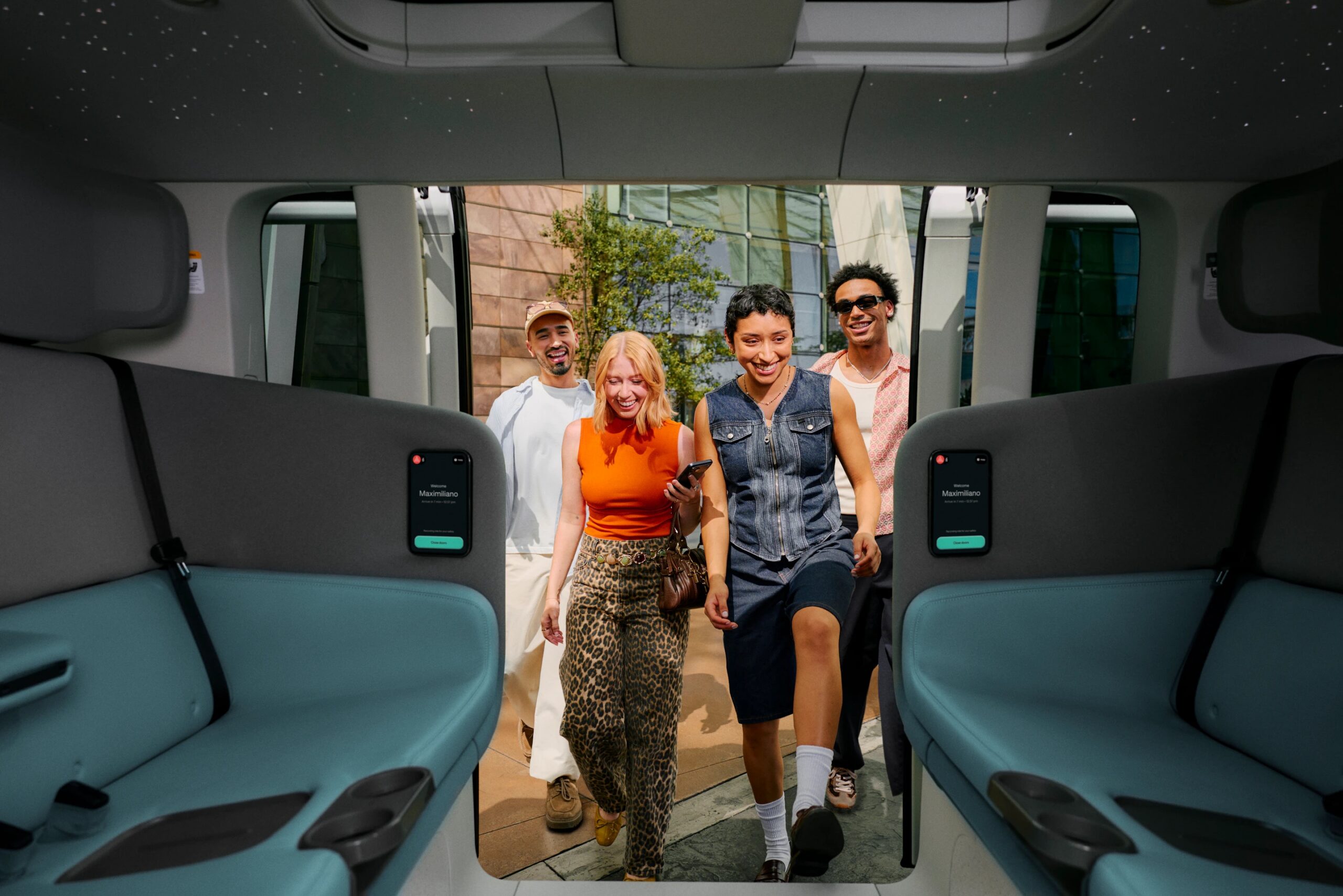
Zoox’s vehicle differs from a conventional car adapted to operate without a driver. The company describes it as purpose-built, fully autonomous, all-electric and bidirectional, with an interior designed around passengers. That layout is meant to support social interaction and a shared cabin experience. Whether riders find it more comfortable or useful will depend on how the design works in everyday trips, including boarding, getting to a destination and handling the needs of different passengers.
Its electric drivetrain means the vehicle has no tailpipe emissions while driving. That fact alone doesn’t establish the total climate impact of a ride: the electricity used to charge it and the number of passengers sharing a trip also matter. No data on energy use, occupancy or lifecycle emissions was included in the rollout details, so the environmental effect of this particular service can’t be quantified from the information available.
Connecting Zoox to Uber changes how people can find and request a ride; it doesn’t, by itself, show how many trips will shift from privately owned cars, conventional ride-hailing vehicles or other transport. That distinction will shape the service’s wider effect on traffic and emissions. For now, the announcement focuses on access, the rider experience and the companies’ plans to expand in stages.
Testing the service before expansion
Zoox says the Las Vegas launch will start with a small fleet and could grow as the company refines its operations, technology and customer experience. A measured start can give the teams time to learn how vehicles and passenger guidance work across actual pickup locations and trip patterns. The company hasn’t shared thresholds for expanding the fleet, or figures on expected rides, wait times or service coverage.
The Uber connection follows a multi-year partnership announced by the companies in March 2026. For Uber riders, the practical change is an additional way to be matched with a Zoox vehicle on qualifying trips. For Zoox, the platform offers a path to reach riders who already use Uber, alongside its own booking channel. The announcement doesn’t spell out how vehicles will be allocated between the apps or whether pricing and availability will differ.
Los Angeles is the next planned market, with Uber access due to follow Zoox’s app-based service there. That sequence suggests the companies will build local operations before adding the larger booking channel. Details such as service area, fleet size and launch timing within 2027 remain unspecified. The clearest near-term measure of progress will be whether Zoox can turn its limited Las Vegas rollout into reliable trips across the named districts, then repeat that work in Los Angeles.